What is the Contrast Between website design and Web Development?
Web design and web development are related, yet they are not identical. If you're planning a custom website for a business in Syracuse, NY, understanding the difference can help you choose more wisely about budget, timeline, and future outcomes. Web design deals with the visual look and overall feel of a site. Web development handles the technical side of how a site operates.
For businesses in Syracuse and throughout downtown markets, Eastwood, Liverpool, DeWitt, Camillus, and Onondaga County, both areas are important. A strong online presence depends on visual appeal, seamless navigation, and strong technical performance. It also requires SEO, digital marketing, and lead generation to perform well. That means the right website design and website development strategy can directly influence customer engagement and conversions.
Understanding Web Design?
Web design is the visual side of creating a website. It shapes the overall layout, interface design, branding, navigation, and complete user experience. In simple terms, web design determines how visitors see your brand and how easy it is for them to grasp your message.
Good web design starts with the business goals of the site. For example, a Syracuse law firm may want trust and professionalism. A local restaurant may want appetite appeal and quick mobile-friendly access to menus. An ecommerce store may want a clean layout that makes shopping simple. In every case, design is about directing the user journey toward a conversion.
Designers often begin with wireframes and prototypes. Wireframes are clear visual plans that map the structure of each page, while prototypes show how the final experience may feel before coding begins. These early planning tools help match branding, content, and layout with the customer experience.
Responsive design is another essential part of web design. A responsive website adjusts to different screen sizes, from desktop monitors to smartphones. This is especially important in Syracuse, where many users search on the go near Syracuse University, Destiny USA, or throughout the greater Syracuse metro area. Mobile-first design is no longer optional; it is a core expectation for a mobile-friendly website.
Good web design also supports accessibility. That means making content readable, navigation clear, and contrast strong enough for more people to use the site comfortably. Accessibility improves usability for all visitors and reinforces a more inclusive brand image.
- Layout design: The arrangement of images, text, buttons, and sections on each page.
- UX: How easy and pleasant it is for visitors to navigate and understand the site.
- Visual identity: The colors, typography, tone, and style that reflect the company’s identity.
- Flexible design: A structure that adapts to different devices and screen sizes.
In short, web design is about shaping the visual feel, experience, and flow of the website so that it supports business goals and builds trust quickly.
What Is Web Development?
Website development is the behind-the-scenes side of creating a website. It turns design into a working online system using coding, frameworks, a CMS, and other technologies. If web design is the plan and visual concept, web development is the development work that makes the site functional.
Development typically includes front-end development and back-end development. Front-end development focuses on what users notice and use in the browser. This is where HTML, CSS, and JavaScript come in. HTML provides layout, CSS manages styling, and JavaScript adds interactive behavior. Back-end development handles the server, database, logic, and integrations that make website functionality possible.
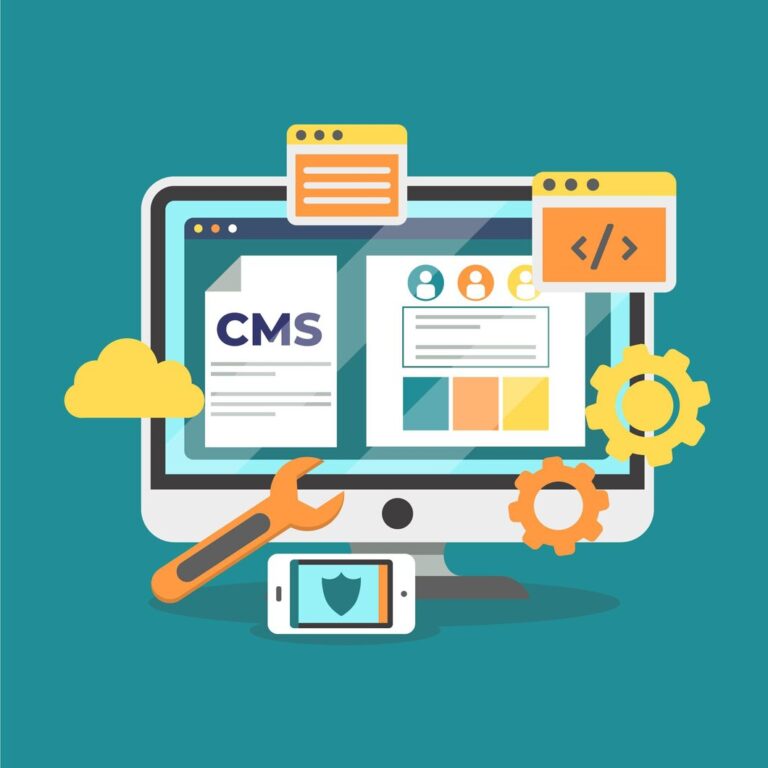
A developer may create a custom website from scratch or use a content management system, often called a CMS. A CMS gives businesses the ability to refresh pages, publish content, and manage site structure without needing to edit code every time. Many Syracuse businesses choose a CMS because it supports ongoing website maintenance and makes content management easier for internal teams.
Web development is what drives the features behind the scenes. That can include contact forms, ecommerce checkout, appointment booking, inventory syncing, search tools, login portals, or integrations with CRM and marketing systems. It also affects site performance, security, and technical SEO.
Because development is about function, it is deeply tied to reliability. Visitors expect pages to load quickly, buttons to work properly, and mobile interactions to feel seamless. If the code is poorly built, even beautiful design cannot save the experience.
- Front-end development: Builds the visible, interactive part of the site users see in the browser.
- Back-end development: Powers server logic, databases, and the infrastructure behind website functionality.
- Programming languages: Tools such as HTML, CSS, JavaScript, and other server-side languages used in coding.
- Website functionality: The capabilities and processes that allow the site to do its job.
In simple terms, web development ensures the website functions correctly, adapts easily, and supports the business process from the first click to the final conversion.
Web Design vs Web Development: Key Differences
The easiest https://syracuse-ny-ez374.swiftnestly.com/posts/what-is-called-schema-markup-and-why-does-it-matter-for-seo way to understand the difference between web design and web development is to think of design as the visual process and development as the coding side. Each is important, but each fulfills a different purpose in website creation.
Web design is about the look-and-feel and user experience side of the site. It defines the site structure from the user’s perspective, guides the layout, and strengthens branding. A designer asks questions like: What should the homepage emphasize? How should the navigation direct the user journey? What visual elements help build trust?
Web development transforms that design and builds it into a working website. Developers ask different questions: How will the page behave on mobile? What code will support the form submission? How should the CMS be configured? How can the site be optimized for site performance and technical SEO?
The project workflow usually moves from strategy to design to development. First, the team learns the business goals and audience needs. Then they create wireframes and prototypes. After approval, developers assemble the site, connect features, test functionality, and prepare for launch. In a well-managed workflow, design and development overlap, but each has distinct responsibilities.
For Syracuse companies, this difference matters because the right site structure can improve local search visibility and customer engagement. A business targeting customers in Eastwood, Liverpool, DeWitt, or Camillus may need location pages, service pages, and clear calls to action. Those pages should be designed for clarity, but they also need development support to load fast and function properly.
- Creative process: Web design shapes the visual and emotional experience.
- Technical implementation: Web development translates concepts into working code.
- Site structure: Design plans the hierarchy; development builds the underlying system.
- Project workflow: Design usually comes first, followed by development and testing.
While the two roles are different, they work best together. A strong website needs both effective design and solid engineering.
How Web Design & Development Influence SEO Services
Website design and web development both have major roles in SEO services. SEO is not only about keywords and content. It also depends on how well the website is built, how users interact with it, and how easily search engines can understand it.
Good design improves SEO by supporting readability, mobile optimization, and user engagement. If visitors can quickly find what they need, they are more likely to stay on the site and convert. That behavior can send positive signals to search engines. Poor design, on the other hand, can increase bounce rates and weaken performance.
Web development matters just as much. Search engines need pages to load efficiently, render correctly, and be crawlable. Crawlability means search engines can access and interpret the site’s content. If menus, scripts, or code blocks prevent indexing, the site may struggle to rank.
Page speed is another critical factor. Slow sites frustrate users and can hurt search visibility. Developers improve page speed by compressing files, optimizing code, reducing unnecessary scripts, and improving server response. In many cases, a better technical foundation leads to stronger SEO results without changing the core content.
Mobile optimization is especially important because mobile-first indexing and mobile behavior are central to modern search engine optimization. Syracuse users often search from phones while commuting, shopping, or moving around the city. If a site does not perform well on a phone, it can lose both rankings and business opportunities.
For local businesses, seo services work best when design and development support local search intent. That means having clear contact information, service-area details, and location pages for Syracuse-area customers. These trust signals help users feel confident and give search engines more context.
- SEO: Relies on content, structure, technical setup, and user behavior.
- Page speed: A major technical signal that affects both user experience and rankings.
- Mobile optimization: Vital for mobile-friendly browsing and mobile-first indexing.
- Crawlability: The ability of search engines to access and interpret site content.
When web design and development work together, they create a site that supports search engine optimization from the ground up.
In What Way Digital Marketing Teams Rely On Both
Digital marketing teams depend on both web design and web development to turn traffic into conversions. Marketing campaigns may bring people to the site, but the website itself has to convince them to act. That is where conversion rate optimization becomes critical.
Conversion rate optimization is the process of optimizing a website so a higher percentage of visitors complete a desired action. That action might be completing a form, requesting a quote, making a purchase, booking an appointment, or calling the business. Good design supports conversion by making the path clear and credible. Good development supports conversion by ensuring the process works flawlessly.
Landing pages are a strong example. A landing page is usually built for a specific campaign or audience segment. Digital marketing teams use them for paid ads, email campaigns, or promotions. The design must match the message, and the development must support speedy performance, forms, tracking, and integrations.
Analytics also connect design and development to performance. Teams use analytics tools to see how people engage with pages, where they drop off, and which calls to action drive the most conversion. If data shows that users are not clicking a button or are abandoning a form, the team may refine the layout or modify the code.
For companies investing in digital marketing in Syracuse, the website becomes the core hub of the entire strategy. Ads, social posts, email, and organic traffic all lead to the site. A poorly built website can waste marketing spend, while a strategic one can strengthen customer engagement and drive measurable growth.
- Digital marketing: Relies on the website as the main destination for campaigns and traffic.
- Conversion rate optimization: Improves the percentage of visitors who take action.
- Landing pages: Focused pages built to support specific campaigns or offers.
- Analytics: Data tools that show how users behave and where improvements are needed.
In practice, the best digital marketing outcomes happen when design, development, content, and analytics all advance the same business goals.
When Syracuse, NY Businesses Need Design Services vs Development Work
Many Syracuse, NY businesses need both services, but the emphasis can differ depending on the project. A local business website that looks outdated may primarily need a visual redesign. A site that looks fine but fails to load forms or support ecommerce may need backend improvements first.
Downtown businesses often need polished web design to compete for attention and establish credibility right away. Service businesses in Syracuse, Eastwood, Liverpool, DeWitt, and Camillus may need stronger lead capture tools such as quote forms, service pages, and clear action prompts. Ecommerce brands across Central New York may need more robust site development to support product search, checkout, and inventory features.
For lead generation, design and development both count. Design must present the offer clearly and minimize friction. Development must ensure the form submissions work, tracking is in place, and the website is secure. If the goal is to collect more qualified leads, the site should be built around the user journey from first visit to contact request.
Local trust signals also matter in Central New York. Syracuse customers often look for a real business address, service-area details, phone number, and location pages that show the company serves the region. This is true whether the business serves downtown Syracuse, the University area, the suburbs, or nearby communities.
Mobile behavior adds another layer. Users searching while on the go near Syracuse University, Destiny USA, or elsewhere in Onondaga County need a website that is fast-loading, easy to read, and easy to use on a phone. That is where mobile-first design and strong website development combine to improve local visibility and conversions.
- Local business website: Needs confidence, simplicity, and local relevance.
- Ecommerce: Often needs both good design and technical capability.
- Service businesses: Benefit from straightforward offers, forms, and location-specific pages.
- Lead generation: Depends on both conversion-focused design and reliable development.
For Syracuse-area companies, the right mix depends on business goals, current site problems, and the audience being served.
How Artificial Intelligence Experts Are Transforming Web Design and Development
AI professionals are transforming both web design and web development in practical ways. Artificial intelligence is speeding up planning, enhancing automation, and helping teams create more tailored experiences. But AI does not replace strategy, creativity, or technical judgment. It assists them.
In web design, AI can assist with content generation, layout ideas, image selection, and early-stage prototypes. Designers may use AI tools to test different visual directions more efficiently or to adapt pages for different audiences. This can speed up the creative process and help teams test ideas before committing to a final direction.
In web development, automation tools can assist with coding suggestions, testing, bug detection, and repetitive tasks. Developers can use AI-assisted workflows to build more quickly and reduce errors, while still maintaining human oversight for quality, security, and compatibility. AI can also support website maintenance by flagging issues before they affect users.
Personalization is another major change. AI can help websites adapt content or recommendations based on user behavior, location, or previous interactions. For a Syracuse business, that could mean showing more relevant service pages, offers, or calls to action depending on the visitor’s intent. When used responsibly, personalization can improve customer engagement and conversion.
Still, AI should be guided by experienced professionals. AI experts know how to use automation without weakening branding, accessibility, or trust. They understand when to rely on generated output and when human review is required. That balance matters for any custom website that must support real business goals.
- AI experts: Professionals who help integrate AI into design and development workflows.
- Automation: Processes that reduce repetitive work and improve efficiency.
- Content generation: Automated support for drafting text, ideas, and variations.
- Personalization: Tailoring website experiences to user behavior or intent.
As AI becomes more common, the businesses that benefit most will be the ones that combine smart tools with skilled website design and website development.
Picking the Best Provider for Your Website Project
Choosing an Ideal partner starts with understanding your project goals. Certain businesses need a web design agency to refresh the visual identity, improve layout, and build branding. Others need a web development agency to rework functionality, boost performance, or link systems. Many projects need both.
Choose a partner who can explain the difference between design and development clearly and who can tie that work to business goals. A strong website partner should cover lead generation, ecommerce needs, local search, content workflow, and long-term support. They should also be able to explain how the project will affect SEO, digital marketing, and ongoing website maintenance.
Ongoing support matters because websites are not one-time assets. They need updates, monitoring, and improvements as your business grows. New pages, changed services, updated contact information, and technical fixes are all part of maintaining the site effective. This is particularly important for Syracuse businesses that want to stay competitive locally and serve nearby neighborhoods and service areas.
Before you hire, review ownership, timeline, and budget. Make sure you know who owns the final website files, how long the build will take, what is included, and what happens after launch. Clear expectations minimize confusion and help the project stay aligned with your business goals.
- Web design agency: Centers on visuals, user experience, and brand presentation.
- Website development partner: Focuses on coding, features, and technical build quality.
- Website goals: The business outcomes the website should support.
- Long-term support: Updates, maintenance, and improvements after launch.
A strong partner is one who can blend design and development together into a site that delivers results, appears polished, and drives long-term growth.
FAQ: Web Design & Web Development
Is it true that web design part of web development?
Website design is linked to web development, but it is usually considered a different discipline. Web design focuses on the visual structure, interface design, branding, and user experience. Web development focuses on programming, website functionality, and technical implementation. In many projects, the two collaborate closely, but their responsibilities are different.
What comes first: web design or web development?
Web design usually comes first. Teams often start with discovery, wireframes, and prototypes before moving into coding. That said, design and development can overlap during the project workflow. Developers may give feedback early on technical feasibility, especially when the site needs complex functionality or a CMS setup.
Is it necessary to have both web design and web development for SEO?
Yes. SEO works best when design and development support search engine optimization from the start. Design affects navigation, mobile optimization, accessibility, and user engagement. Development affects page speed, crawlability, technical SEO, and how well search engines can access content. For seo services to perform well, both areas matter.
How much does a website project price in Syracuse, NY?
Budget depends on the scope, features, content needs, and whether you need a redesign, a custom website, ecommerce functionality, or ongoing website maintenance. A simple local business website may cost less than a larger platform with advanced features. The best way to estimate budget is to define your project goals, required pages, and technical needs before requesting proposals.
Sunstone Digital Tech201 E Jefferson St, Syracuse, NY 13202
(315) 758-3349
https://maps.app.goo.gl/LNcnKZaUXSqxHPoT8
https://sunstonedigitaltech.com/
43.0471862, -76.1504376
Do AI experts help with web design and web development?
Yes. AI experts can help streamline content generation, automate repetitive tasks, support personalization, and improve workflow efficiency. They can also help teams use AI tools responsibly so branding, accessibility, and functionality stay strong. For businesses that want to scale digital marketing and improve conversion, AI can be a useful advantage when applied carefully.